Boxers are beloved for their energetic and playful personalities, but as with any breed, there are certain health and behavioral issues that potential owners should be aware of. In this article, we will discuss the “dark side” of boxers, including common health problems and potential behavioral issues that owners may encounter.
1. Cardiomyopathy
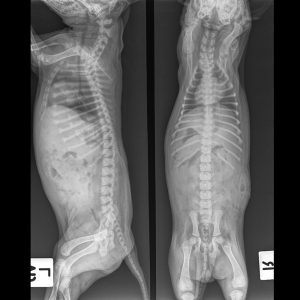
Boxers are prone to a heart condition called cardiomyopathy, which can lead to heart failure. This condition is caused by a thickening of the heart muscle, which makes it difficult for the heart to pump blood effectively. Regular vet check-ups and screenings, such as echocardiograms, are important to catch this condition early. Treatment options include medication, surgery, and lifestyle changes.
2. Cancer

Boxers have a higher incidence of cancer than many other breeds, and owners should be aware of the signs and symptoms of this disease. Common types of cancer found in boxers include lymphoma, osteosarcoma, and mammary tumors. Regular vet check-ups and screenings, such as blood tests and X-rays, can help detect cancer early. Treatment options include surgery, chemotherapy, and radiation therapy.
3. Bloat

Boxers are also prone to a condition called bloat or gastric torsion, which is a serious and potentially life-threatening condition. Bloat occurs when the stomach fills with gas and twists on itself, cutting off the blood supply to the stomach. Symptoms include a swollen and distended abdomen, restlessness, and rapid breathing. Proper feeding and exercise habits, such as avoiding exercise before and after meals, can help prevent this condition. If a dog is suspected of having bloat, it is important to seek emergency veterinary treatment immediately.
4. Hip Dysplasia

Boxers are prone to hip dysplasia, a genetic condition that can cause arthritis and lameness. This condition occurs when the hip joint is malformed, which causes the joint to wear down over time. Regular vet check-ups and screenings, such as X-rays, can help detect this condition early. Treatment options include weight management, physical therapy, and surgery.
5. Skin Allergies

Boxers are also prone to skin allergies, which can cause itching, redness, and hair loss. Common causes of skin allergies in boxers include flea and tick bites, food allergies, and atopic dermatitis. Treatment options include antihistamines, steroidal and non-steroidal creams, and a hypoallergenic diet.
6. Behavioral Problems

Boxers can be prone to behavioral issues such as separation anxiety and aggression. These issues can be caused by a lack of proper training and socialization, or by a lack of mental and physical stimulation. Training and socialization from a young age, as well as providing plenty of mental and physical stimulation, can help prevent these problems. Behavioral problems can be treated through positive reinforcement training, desensitization and counter-conditioning, and medication if needed.
7. Obesity

Boxers are prone to obesity, which can lead to health problems such as diabetes, high blood pressure, and arthritis. Obesity can be caused by overfeeding, lack of exercise, and a sedentary lifestyle. To prevent obesity, owners should feed their boxers a balanced and nutritious diet, and provide them with regular exercise and playtime. Weight management should be done under the guidance of a veterinarian.
In conclusion, while boxers are a loving and playful breed, they do have certain health and behavioral issues that potential owners should be aware of. Regular vet check-ups, proper feeding and exercise habits, and early training and socialization can help prevent and manage these issues. With proper care, a boxer can be a loving and loyal companion for many years to come.

It is also important to be aware of the common genetic health issues associated with the breed and consider the long-term commitment and cost that may be incurred. It is also recommended to research and find reputable breeders who screen their breeding dogs for common genetic health issues in order to reduce the risk of these issues in the puppies. As a responsible owner, it is important to stay informed and educated about the specific needs of the breed in order to provide the best care for your boxer. With the right knowledge, care, and attention, a boxer can be a joyful addition to any family.
Check out this informative video on a relevant topic. It’s definitely worth watching:
We want to hear from you! Leave your comments and let us know what you think, and help spread the word by sharing this article with your friends and family on social media.
You May Also Like

The Dark Side Of Dachshund: What Every Owner Should Know

The Dark Side Of Poodle: What Every Owner Should Know

The Dark Side Of Bull Terrier: What Every Owner Should Know

The Dark Side Of German Shepherds: What Every Owner Should Know

8 Things Only Boxer Dog Owners Understand

The Dark Side Of Rottweiler: What Every Owner Should Know

The Dark Side Of Labrador Retriever: What Every Owner Should Know