



Fast Facts About Pumi Dog
- Height: 15-18.5 inches
- Weight: 22-32 lb
- Lifespan: 12-14 years
- Group: AKC Miscellaneous Class
- Best Suited For: Families with children, active singles and seniors, houses with yards, farms/rural areas
- Temperament: Energetic, lively, hard working, protective
- Comparable Breeds: Puli, Mudi
Pumi Basics
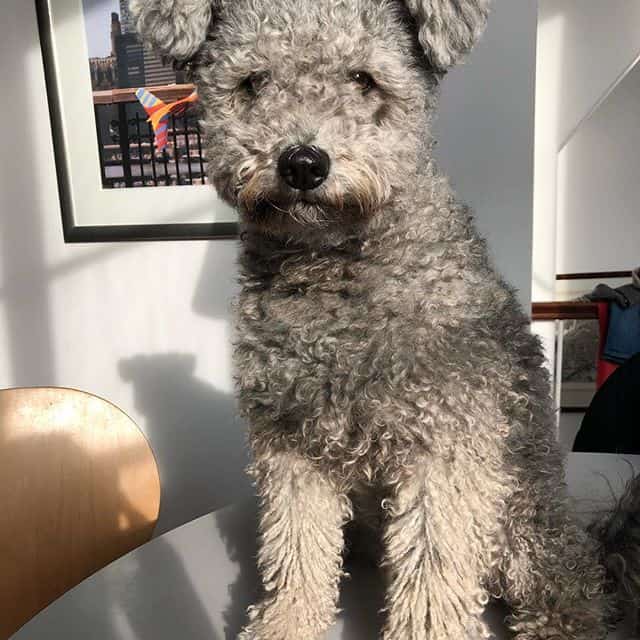
A medium-sized, agile Hungarian herding breed, the Pumi is not well known outside of its country of origin. A multi-functional dog, the Pumi is often used as a sheepdog, guard dog and hunting dog. But it’s not all work for this energetic breed. This dog fits in quite well in a family setting and makes a wonderful companion. Smart and alert, he will let you know when strangers are approaching your home and will eagerly take to agility and obedience classes.
Energetic, lively and ready to work, the Pumi is always raring to go. Boasting the intelligence of the herding dog and the alertness of a terrier, this breed needs to be kept busy. Favorite activities include herding, agility and obedience training, flyball, jogging, and playing fetch. Read on to learn more about the Pumi.
A multi-functional dog, the Pumi is often used as a sheepdog, guard dog and hunting dog.
Origin
Originating in the 17th or 18th centuries in Western Hungary, the Pumi was generally used to help farmers herd cattle, sheep, and swine. They were also used as were used as drivers and shepherd’s companions. In the early part of the 20th century, Dr. Emil Raitsis wanted to select certain characteristics of Hungarian sheepdogs. This is when selective breeding of the Pumi really began, and it was identified as an independent breed in 1920.
Pedigree
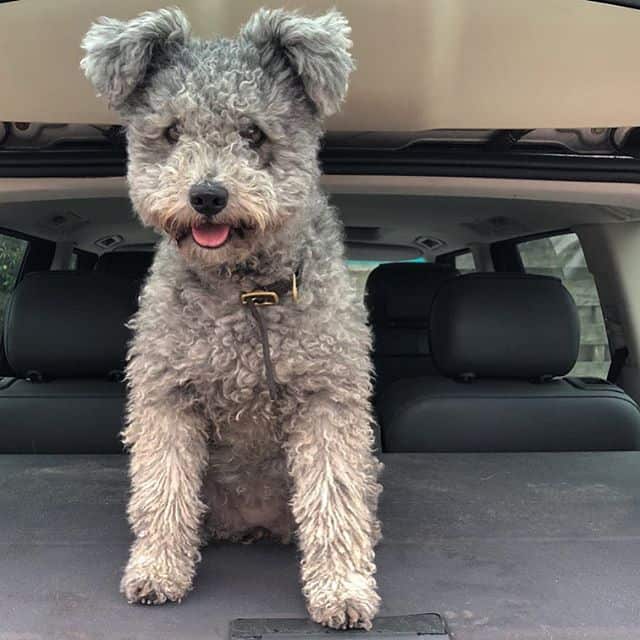
The Pumi can trace its line back to the Puli, and was crossed with German and French herding dogs. As well, it probably has a bit of terrier thrown into the mix. Over the past 300 years, it has come into its own as a breed as is popular in its homeland.
Food / Diet
The Pumi is a hear working and energetic dog, so he will need a diet that keeps up with his high activity level. A premium dry food that contains quality proteins and fats is recommended for this breed.
The Pumi is alert, watchful and intelligent.
Training
The Pumi is alert, watchful and intelligent. In fact, he is so smart, that if he senses that his owner is a push over, he will quickly take advantage of the situation. This will make the dog willful and cause major disruption in the household. You need to become the dominant head of the family so the Pumi knows his place in the pecking order. You need to make the decisions and rules and ensure that your dog follows the rules.
Because this is an intelligent, he takes to training easily. After mastering the basics, do not be afraid to move onto more challenging tasks. The Pumi excels at agility and obedience training, and it’s a great way to help expend his energy levels. He can also be trained for dog dancing, detection, search and rescue, and other activities.
Weight
The Pumi weighs between 22 to 32 pounds.
Temperament / Behavior
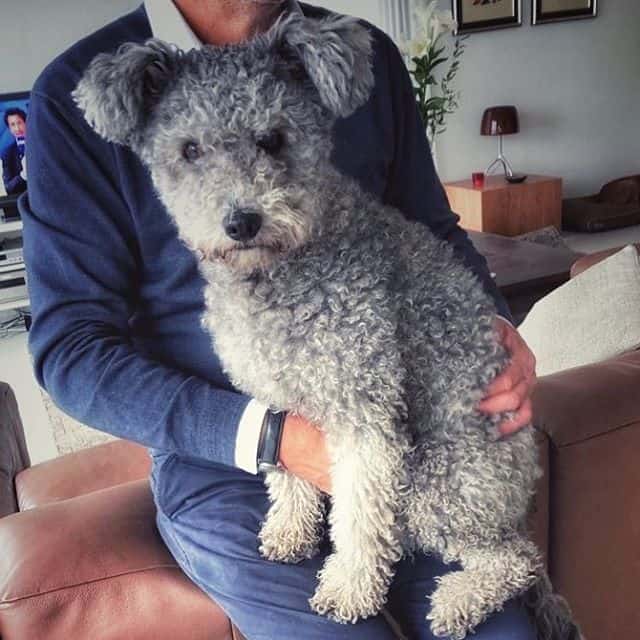
A lively and active breed, the Pumi is protective of his family and will be wary of strangers. You should start socialization when this dog is a puppy. Ready to spring into action when he hears a noise, the Pumi makes a wonderful watch and guard dog. Since he alerts his family to potential danger with vigorous barks, you’ll need to teach your dog a stop barking command – otherwise, you’ll have angry neighbors on your hands.
These dogs are good with children and other animals, as long as they are trained from an early age. Because it is a herding dog, it may try to herd the family.
You’ll find this breed to also be loving and loyal. He loves to be around his family and will follow you anywhere. He’s happy when surrounded by familiar faces and will be fiercely protective to those he considers family.
Common Health Problems
Pumis are a healthy breed that have little hereditary health issues. Known medical problems that can occur in the breed are patella luxation and canine hip dysplasia.
Life Expectancy
The Pumi has an average lifespan of 12 to 14 years.
Exercise Requirements
The Pumi isn’t a breed for the couch potato. He needs lots of exercise to keep him happy and healthy. Happiest on a farm or in a rural area, this dog needs to be put to work, and excels at guarding and tending livestock and guarding animals and property. He likes to be outside, so make sure he’s got plenty of room to run around.
If you live in an urban area, you need to keep your Pumi occupied. Great activities for this dog include walking, hiking and jogging. Always make sure that this dog obeys the heel command, as it is important for you to be viewed as the leader. Pumis also do well in agility skill classes and love nothing better than playing a game of fetch.
A lively and active breed, the Pumi is protective of his family and will be wary of strangers.
AKC
The American Kennel Association says this about the breed: “The Pumi is a medium-sized, agile Hungarian herding breed. They are versatile stock dogs, equally adept at gathering, driving and keeping the stock under control.” The AKC has placed this breed in the Miscellaneous Class with a Herding group designation.

Coat
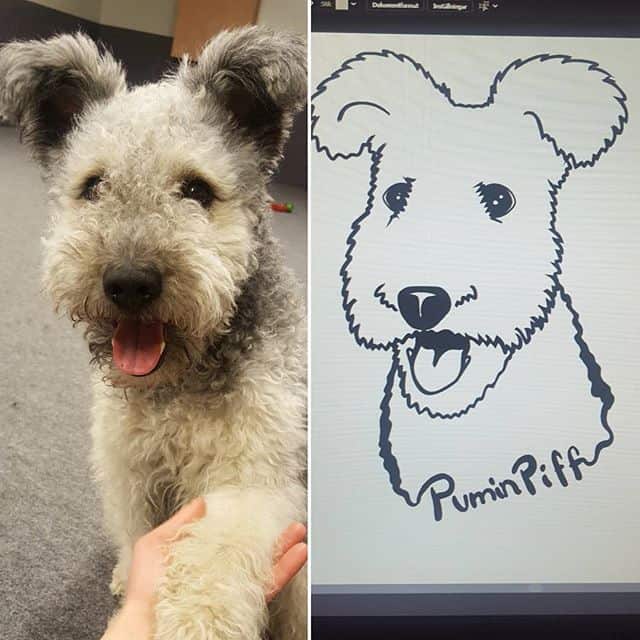
The Pumi sports a coat of black, all shades of gray, or reddish brown. Its coat is usually one solid color. There are also white-colored Pumis, but there aren’t favored by breeders.
With its easy to groom coat, the Pumi’s braided, medium-length coat will need an occasional combing or brushing to keep it looking its best.
Puppies
Because the Pumi is wary of new people, puppies should be socialized as soon as possible. Puppy Kindergarten classes, dog parks and introducing your dog to new experiences will be helpful in this process.
Four Fast Facts About the Pumi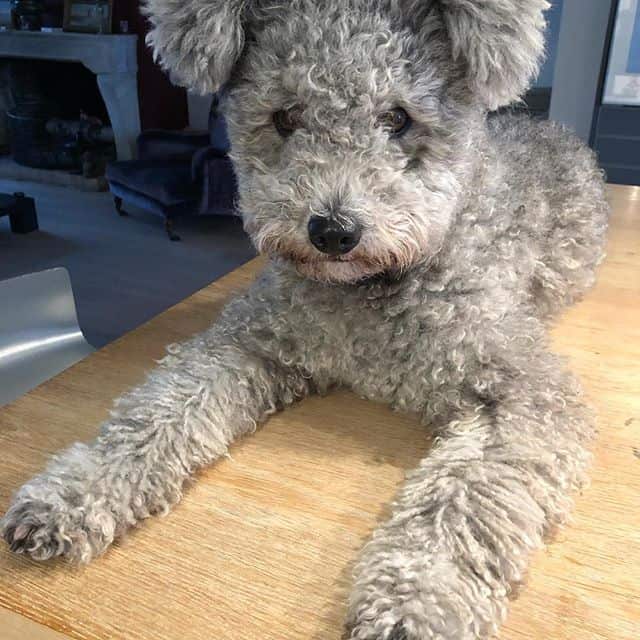
No, Pumi is not plural for the word puma. It’s a dog breed. But don’t worry if you don’t know anything about the this unusual breed, it’s Woof Wednesday and we’re here to give you some fast facts on the adorable Pumi. Read on.
1. It’s All in the Family
Until early in the 20th century, the Pumi were thought to be the same breed as two other Hungarian herding dogs, the Puli and the Muli. However, the Pumi ancestry is a bit more scandalous. Well, not really, but …
It is the crossbreeding of the Puli and the German or French terrier that gives the Pumi its square shape and long head. This charming dog also has a curly coat that does not shed.
2. To Bark or Not To Bark
Because the herding instinct is strongly ingrained in its genes, the Pumi is very vocal. Normally used to help guide sheep back to the flock, the Pumi will bark at strangers and intruders (and possibly suspicious looking shadows) to alert their owners.
It’s important to train your Pumi to let them know when it’s appropriate to bark, otherwise you may have a lot of annoyed neighbors.
3. Small Dog, Big Personality
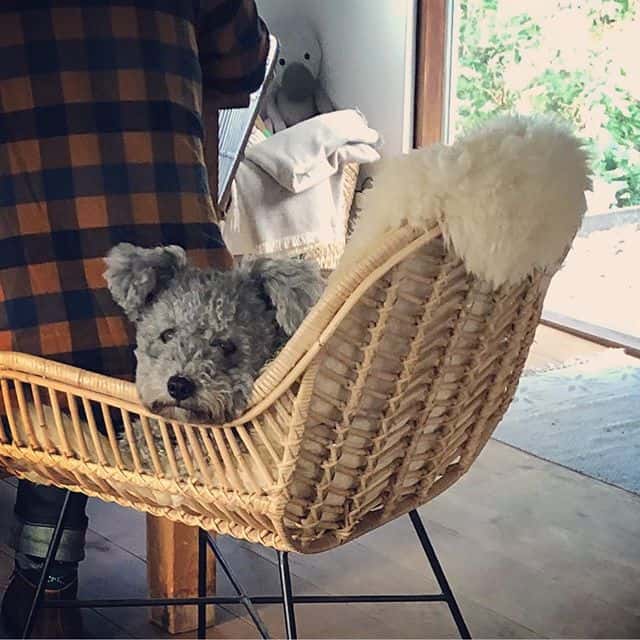
This is not a quiet lapdog that will just sit there and look pretty. This little dog has lots of energy, enjoys playing Frisbee and running about. In fact, the Pumi is purpose-driven, giving itself its own tasks when it has nothing else to do.
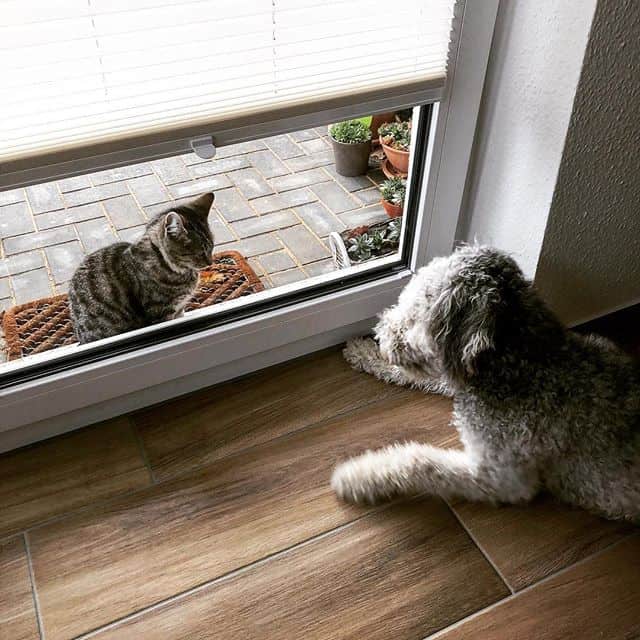
However, this intelligent breed can also be stubborn and tricky — they’ll work out ways to get around your rules and get away with it. But this doesn’t mean they’re a “problem” dog. They don’t fight and get along with other dogs and even cats.
4. Tricks & Jobs
The Pumi, as we said, is an active dog. So they love to learn tricks and take part in different activities, especially dog shows. The Pumi is great at dancing, obstacle jumping, obedience, agility, and post zig-zagging.
This breed is hardworking, too. There’s even one Pumi in Europe that works as a security guard dog. Other Pumi dogs, meanwhile, show great aptitude for tracking and herding. In fact, most pass herding instinct tests without ever having seen a sheep before.
So there you have it, a few fast facts about the Pumi.